ROSE – Reduction of Seismic Risk





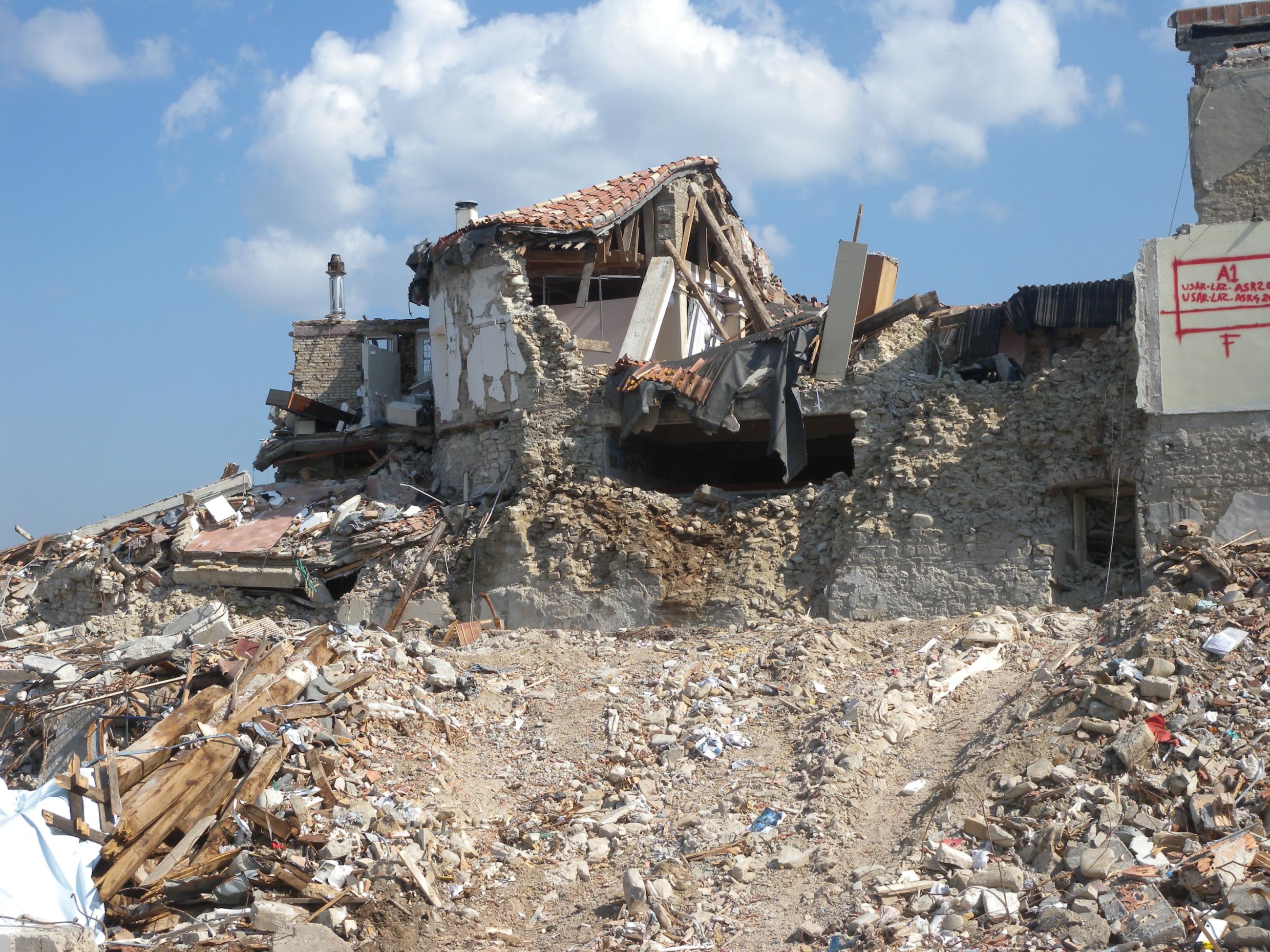
This programme focuses on the assessment and mitigation of earthquake-induced risk affecting both new and existing structures and infrastructures.
The need for advanced seismic engineering expertise is highlighted by recent seismic events, such as the 2016 Amatrice earthquake in Italy, which caused widespread structural damage.
The curriculum includes compulsory and elective courses covering core subjects such as seismic hazard assessment and engineering seismology, structural dynamics, geotechnical earthquake engineering, seismic design of bridges, and the analysis and design of reinforced concrete, masonry, and steel structures.
These advanced topics are supported by preparatory courses in numerical analysis, probability and statistics, and computational solid mechanics, which provide the necessary theoretical foundation.

This curriculum builds upon the long-standing experience of the ROSE School (European School for Advanced Studies in Reduction of Seismic Risk), an internationally recognised postgraduate programme in earthquake engineering.
For a detailed overview of courses and their structure, please refer to the Study Plan section here.
Note that a full semester is dedicated to the Master’s thesis, during which students may participate in national and international research projects. They may also gain hands-on experience using cutting-edge experimental facilities, such as the EUCENTRE Foundation facilities.
The professional role formed by the ROSE curriculum of the Master’s Degree in Civil Engineering for Mitigation of Risk from Natural Hazards is that of a structural civil engineer with specialized expertise in seismic design as well as seismic risk assessment and mitigation. Primary career opportunities include:
- Freelance practice and consultancy in the fields of design, construction supervision, testing, and risk assessment of structures and infrastructures;
- Civil and structural engineering firms operating both nationally and internationally;
- Construction companies operating both nationally and internationally;
- National and regional civil protection agencies;
- Public administrations and local authorities;
- Major insurance and reinsurance companies;
- Consulting firms specializing in catastrophe risk management;
- Manufacturing companies producing high-tech components for structural and earthquake engineering (such as seismic isolators, energy dissipators, composite materials, and measurement/monitoring instruments);
- Researcher positions at universities or public/private research institutes, such as, in Italy, EUCENTRE, GEM, ENEA, INGV, OGS…

EUCENTRE shaking table – the largest and most powerful earthquake simulator in Europe. Learn more here.
Below are listed some examples of experimental activities carried out at the EUCENTRE Foundation.
Take a look at the research and experimental activities of the ROSE School on the EUCENTRE Foundation YouTube channel.